

Online bike fitting
Start at home. Adjust with purpose.
You do not need a full studio setup to make better bike-fit decisions. You need a usable order: measure well, start with the biggest setup variables, and use a calculator that turns them into concrete next adjustments.
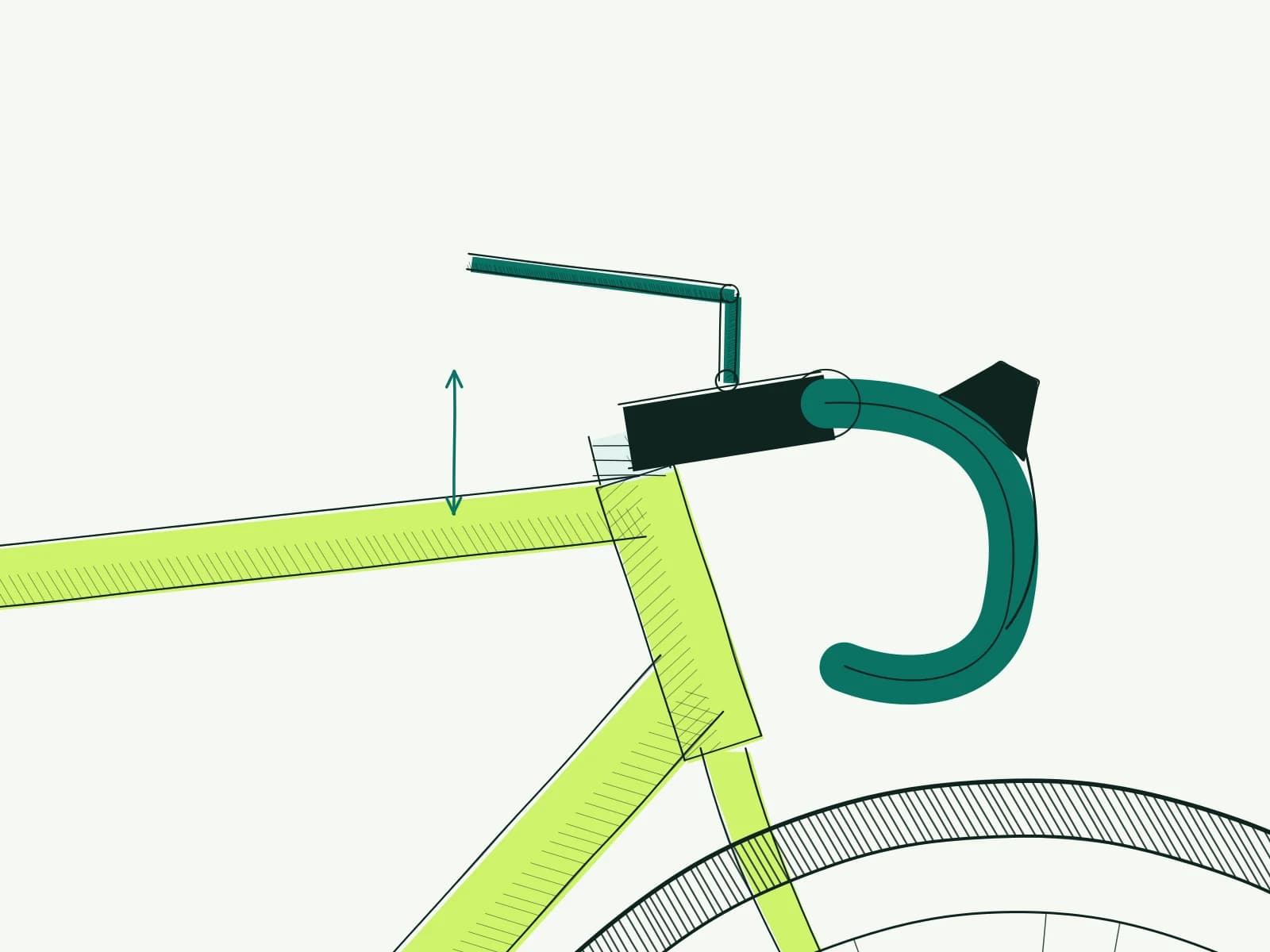
What this page is for
A better first layer before you guess
This page is not trying to replace every fitter. It is here to help riders move from vague discomfort or setup confusion to a better first decision.
Start with the largest variables
Saddle height, frame fit, and general cockpit balance usually matter more than tiny tweaks.
Fixing order matters. Riders often waste time fine-tuning details while the larger setup is still wrong.
Translate fit into actions
A good digital fit should tell you what to test first, not just dump a list of numbers.
The practical value is in prioritization: what to change first, what to leave alone, and what likely needs a live fitter.
Know the limits early
At-home bike fitting is strongest as a first filter, not a guarantee that every issue is solved remotely.
If your problem is persistent pain or a complex asymmetry, this process should help you escalate sooner, not delay the right help.
Practical flow
A simple bike-fitting order for home use
Use a repeatable process so the calculator output becomes something you can actually test on the bike.
Recommended order
- 1. Measure carefully before you trust any output.
- 2. Start with saddle height if your baseline is unclear.
- 3. Check frame size if the whole bike feels too stretched or too compact.
- 4. Use the full bike fit calculator to connect the setup into one recommendation.
- 5. Test one change at a time on the bike.
Who this route helps most
- Riders comparing comfort vs. performance setup direction
- Anyone unsure whether their bike or position is the bigger problem
- Newer riders who want an at-home starting point before paying for a full fit
Keep going with the right calculator
FAQ
Common bike-fitting questions
Can online bike fitting actually help at home?
Yes, as a structured first step. It helps riders turn body measurements and riding goals into specific setup targets before deciding whether they need a full in-person fit.
What does a bike fitting calculator usually improve first?
Most riders get the most value from clarifying saddle height, general reach and cockpit balance, then testing those changes one at a time on the bike.
When should I skip straight to an in-person fitter?
If you have persistent pain, recent injury, strong asymmetry, or a performance-specific problem that needs live observation, in-person support is still the better next step.
Start with a fit baseline
Ready to turn bike fitting into concrete setup targets?
Start with the full bike fit calculator and use the output to test your next saddle, reach, and cockpit decisions in a more structured way.